
Why We’d Rather Suffer Than Help Ourselves
Last night I was essentially unable to walk. For a long time now I have been experiencing knee pain that on a scale of one to ten is a solid “Holy %#$^ That Hurts!”. And yet … I just live with it. Take the occasional Motrin. Complain and hope that tomorrow will be better.
Spoiler alert: Today wasn’t better.
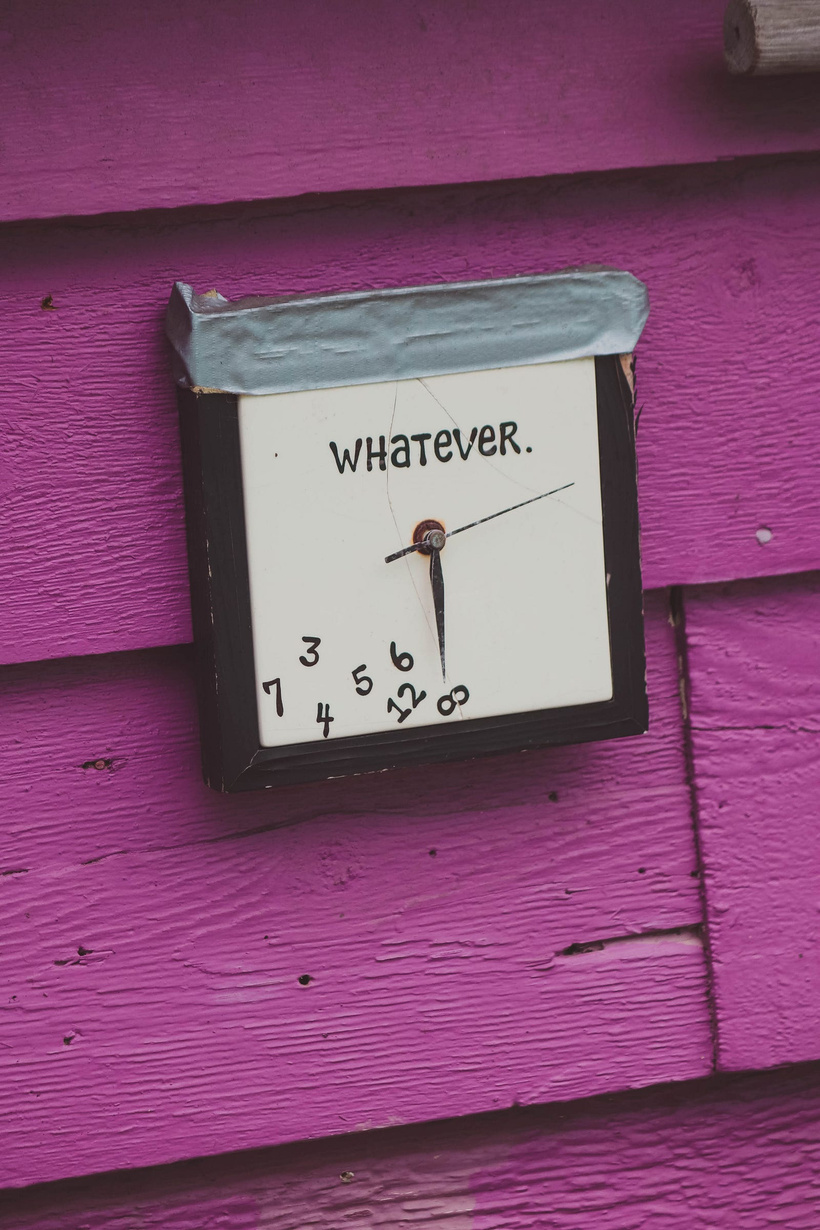
We’re all guilty of it: the fine art of procrastination. When it comes to our health and well-being, we can always find a reason to delay or ignore what we know is good for us. And while we usually choose to take the “ignorance is bliss” option (or perhaps the “just laugh it off” path), the better choice is to understand why we do what we do.
The Allure of Procrastination
Procrastination is like that fuzzy comfy blanket we had as kids. A safety net that lulls us into a false sense of security. It’s the ever-present voice in our heads that tells us “You can do it later” or “It’s really not all that important right now.”
So, why do we do it? Why do we consistently put off taking care of ourselves?
1. Resistance To Change
It’s human nature to resist change, even when we know it’s in our best interest. We’d rather stick with our comfortable, albeit unhealthy, habits instead of venturing into the unknown.
Maybe your vice is a twice-weekly fast food drive-thru adventure. Which is your go-to? The Golden Arches? Taco Bell? Perhaps my favorite … those simple yet delicious roast beef sandwiches from Arbys?
(With horsey sauce! You can’t forget the horsey sauce!)
You know it’s not the healthiest choice, but the thought of giving up that greasy and pre-processed goodness in favor of kale and quinoa is downright terrifying. So you continue to indulge, convincing yourself that change is just too hard.
In the case of my knees, I was born with these. Why should I change the way I deal with them? I haven’t really abused them, and yet they hurt so badly I can barely walk sometimes. OK, oftentimes.
I suspect it’s a bad case of atrophy. I drive hours each day with my knees in a locked position. I rarely exercise, walk, or do what is needed to keep the muscles that support my knees healthy. And even though I know which exercises will bring them back to full power, that would require me to change my daily routines. And even I, a man who loudly proclaims he is immune to the fear of change, can’t seem to alter my lifestyle. Because apparently I enjoy my routines too much.
2. Analysis Paralysis
When it comes to our health and well-being, there is a seemingly endless list of things we “should” be doing: exercising, eating better, sleeping more, meditating, practicing mindfulness, staying hydrated … the list goes on. It’s easy to feel overwhelmed by all the information and advice available, which can lead to analysis paralysis. Instead of taking action, we find ourselves stuck in a constant state of indecision.
3. Perfectionism
Perfectionism is sneaky. It tells you it’s your friend and has your best interests at heart, but it really doesn’t. It only serves itself.
We tell ourselves that if we can’t do something perfectly, it’s not worth doing at all. This all-or-nothing mentality keeps us from even trying, and it’s a major roadblock when it comes to our health and well-being.
For example, let’s say you want to start running but you’re worried that you won’t be able to keep up with those in your local running club who have been doing it for years. Rather than starting with a simple walk or jog, you instead convince yourself that it’s better to not try at all. If you can’t be an expert right out of the gate, then why bother?
The result? No progress, and another victory for procrastination.
Of all of the reasons for procrastination in this article, this is my personal nemesis. Go to the gym and become fit and healthy? I’ve repeatedly tried it and it’s not something that I’m great at. My body type isn’t the same as Arnold’s. I can’t be perfect at it, so perhaps another option would be better.
Now if only I could find something that I’m perfect at … (sigh).
4. Instant Gratification vs. Long-Term Benefits
Our brains are wired to prioritize short-term rewards over long-term benefits. This means we’re more likely to choose the instant gratification of binge-watching our favorite show instead of going for a run, even though we know the latter is better for our overall health.
5. Fear
And finally, fear. This strong emotion plays a significant role in our tendency to procrastinate when it comes to our health and well-being. It can manifest itself in various ways, influencing our behavior and decision-making.
Fear of Failure: Many people are afraid that they won’t be able to achieve their health goals or maintain their progress. This fear of failure can paralyze them, preventing them from even attempting to make changes. Instead, they continue with their unhealthy habits to avoid the possibility of failing.
Fear of Discomfort: Making changes to our lifestyle, especially when it comes to our health and well-being, often involves stepping out of our comfort zone. Fear of discomfort, be it physical or emotional, can lead us to procrastinate. For example, someone might avoid going to the gym because they’re afraid of feeling embarrassed.
Fear of the Unknown: Embarking on a journey to better health often involves trying new things, such as adopting a new exercise routine or changing one’s diet. The fear of the unknown can make these changes seem daunting and overwhelming, leading people to procrastinate or avoid them altogether.
Fear of Judgement: The fear of being judged by others can also contribute to procrastination. People may worry about what others will think if they see them struggling with their health or making changes to their lifestyle. This fear of judgement can create a barrier to taking action.
And to put fear into the perspective of my knees … what if it isn’t just muscle atrophy? What if it’s something that will require surgery? Or even something that can’t be fixed?
Fear and the big “what if” are great paralyzers.
—
So, how can we break free from the clutching talons of procrastination, and instead start prioritizing our health and well-being?
And yes, I know that everything from here forward would fit nicely on a needlepoint or social media meme. They’re pretty basic. They’re simple. And yet they’re also hard. If they weren’t then I would be complaining about walking and knee pain. I wouldn’t be overweight. (And the many, many other ills that I can’t seem to address).
So let’s look at these options not in the light of “the usual advice”, but in terms of concrete ways that we can use to move forward.
1. Start Small: Rather than attempting a complete lifestyle overhaul, focus on making small, manageable changes.
For example, try incorporating a short walk into your daily routine, or swap out one single unhealthy snack for a healthier option. By starting small, you’ll build momentum and confidence, making it easier to tackle bigger changes down the road. Will you be instantly perfect? Nope. But you will be one step closer. Change is a meal sometimes best served slowly.
2. Set Realistic Goals: It’s important to set achievable, realistic goals for yourself. Instead of aiming to lose 20 pounds in a month or run a marathon after a few weeks of training, set more attainable targets … like losing a pound a week or running/walking a 5K. This way, you’ll be more likely to stay on track and feel a sense of accomplishment when you reach your goals.
3. Break Tasks into Manageable Chunks: Being overwhelmed is a major contributor to procrastination. To combat this, break larger tasks into smaller, more manageable steps. For instance, instead of trying to overhaul your entire diet, start by incorporating one or two healthier meals per week. Lather, rinse, repeat.
4. Find Your Motivation: Understand what truly motivates you to make positive changes in your life. Is it to have more energy to enjoy family or outside adventures? To live longer and disease-free? To feel more comfortable in your own skin? Keep your “why” front and center to help you stay committed to your health journey.
5. Create a Support System: Surround yourself with like-minded individuals who share similar goals. Having a support system can make all the difference when it comes to staying on track and maintaining motivation. Join a local exercise group, attend a healthy cooking class, or connect with others online who are also working towards better health.
Those around you can either make it easier to make good choices, or they can give you a reason to give into bad ones.
6. Celebrate Your Progress: Recognize and celebrate your progress, no matter how small. (And yes, this is a difficult one for me). This will help reinforce your new habits and remind you that you’re making progress towards better health. Did you complete a workout without giving up halfway through? Did you resist the temptation of that late-night bowl of ice cream? Celebrate these victories and use them as motivation to keep pushing forward.
7. Forgive Yourself: It’s essential to accept that setbacks and slip-ups will happen. When they do, don’t let your inner perfectionist take over. Forgive yourself, learn from the experience, and keep moving forward.
You are always just one choice away from being back on track.
—
I debated writing this article because procrastination seems like such a lighthearted subject. But when it comes to our health and well-being it’s anything but. It’s actually a very serious matter.
By understanding the reasons behind our procrastination, and by implementing strategies to overcome it, we can truly make lasting, positive changes to our health and well-being.
As for me, I actually asked for help last night. Something I am usually loathe to do. I was in such pain that I allowed others to step in and take some tasks from me so I could rest my joints and give them time to heal. I allowed myself to take pain medication and to wear a brace. And I vowed to start making small changes, giving them time to accumulate into something larger. And finally, I promised to accept the fact that I won’t be instantly perfect and that I will back-slide from time to time. And to know that one step back and two steps forward is still forward.
My ability to live the life that I want cannot be jeopardized by my own inactions and my seemingly endless buckets of self-denial. I will push past my own worst enemy … me. The quality of my life depends on it.
So, what’s in your future?